Buy atton.eu ?
We are moving the project
atton.eu .
Are you interested in purchasing the domain
atton.eu ?
domain@kv-gmbh.de · 0541-91531010
Buy atton.eu ?
'besteht?' translates to 'exists?' in English.
"Besteht?" translates to "exists?" in English. This question is used to inquire about the presence or existence of something. It is often used to confirm whether something is real or present in a particular situation. For example, "Besteht dieses Problem?" translates to "Does this problem exist?" **
'kommt?' translates to 'coming?' in English.
"Kommt?" is a question in German that translates to "coming?" in English. It is used to inquire about someone's arrival or presence at a certain place or event. The question is often used to confirm if someone is on their way or if they plan to attend a specific location or gathering. **

Similar search terms for Translates
Top-Angebote
Products related to Translates:
-
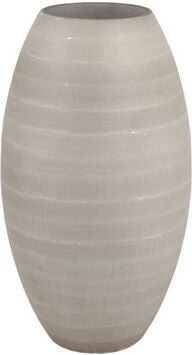
Sagebrook Home Modern Aluminum & Iron Decorative Vase - Sleek Contemporary Metal AccentThis will be a perfect addition to add to your home decor, also a perfect gift for a loved one. Can be added to your table, console or bookcase for a distinctive style to match any decor.221,99 $*Shipping: 0,00 $Secure redirect to the provider
-
Sagebrook Home "Metal Modern Glam Bowl Sleek Curved Design Stylish Sculptural Form - 20.0"""This modern glam metal bowl brings a sculptural touch to any tabletop decoration, this metal bowl comes in gold, ivory and tan providing thoughtful decorative use making it an effortless accent for a living room, kitchen, or dining room table.119,26 $*Shipping: 0,00 $Secure redirect to the provider
-
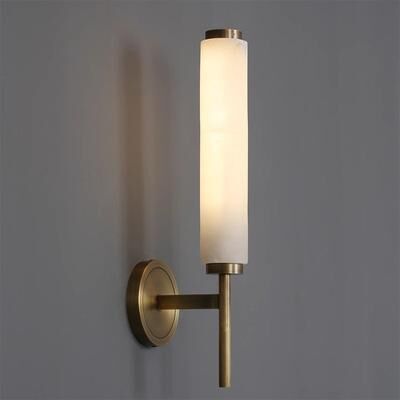
On Spot Shop Luxury Modern Marble Wall Light, Indoor Copper Wall Lamp For Living Room, Elegant Bedroom Sconce, Contemporary Home Luxury Modern Marble Wall Light, Indoor Copper Wall Lamp For Living Room, Elegant Bedroom Sconce, Contemporary HomeElegant Modern Marble Wall Light for Timeless Interiors Transform your space with the Modern Marble Wall Light for Living Room Home Decor Indoor Copper Wall Lamp Creative Bedroom Sconce Wall Lighting Fixture. Designed for those who appreciate both...349,97 $*Shipping: 0,00 $Secure redirect to the provider


-
'kann?' translates to 'can?' in English.
Yes, "kann?" translates to "can?" in English. It is a simple question in both languages that is used to inquire about someone's ability or permission to do something. The word "kann" is the conjugated form of the German verb "können," which means "to be able to" or "can." Similarly, "can" is the modal verb in English used to express ability or permission. **
-
'aus?' translates to 'out?' in English.
''aus?'' is a German word that translates to ''out?'' in English. It is commonly used to inquire if someone is leaving or going out of a place. The question mark at the end indicates that it is a question. **
-
'sieht?' translates to 'looks?' in English.
''Sieht?'' is a question in German that translates to ''looks?'' in English. It is often used to inquire about the appearance or visual perception of something. This question prompts the listener to provide their opinion or observation regarding what they see. **
-
'dunklen?' translates to 'dark?' in English.
Yes, "dunklen?" translates to "dark?" in English. The word "dunklen" is the accusative form of the adjective "dunkel" in German, and it is used to inquire about the darkness of something. In English, the question mark at the end indicates that the speaker is asking if something is dark or if a situation is unclear or mysterious. **


'Fragt' translates to 'ask' in English.
In German, the word 'fragt' translates to 'ask' in English. It is the imperative form of the verb 'fragen,' which means 'to ask.' So, 'fragt' is used to give a command or request for someone to ask a question or inquire about something. For example, "Fragt ihn, ob er heute Abend kommen kann" translates to "Ask him if he can come tonight." **
Are contemporary plays modern?
Contemporary plays can be considered modern in the sense that they reflect current societal issues, values, and cultural norms. They often incorporate modern technology, language, and themes that are relevant to today's audience. However, the term "modern" can also refer to a specific historical period in theater, typically the late 19th and early 20th centuries, so in that sense, contemporary plays may not be considered modern. Overall, the classification of contemporary plays as modern depends on the context and definition being used. **
Top-Angebote
Products related to Translates:
-
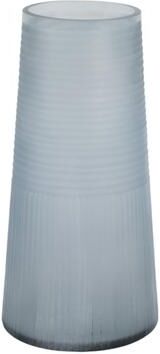
Sagebrook Home Glass Vase Sleek Silhouette Contemporary Style Elegant interiorsBring style and charm to any space with this modern glass vase, a perfect decor accent for your home or office. Crafted from premium glass, this modern vase reflects glam design influences that instantly uplift your environment.68,49 $*Shipping: 0,00 $Secure redirect to the provider
-
Sagebrook Home Modern Aluminum & Iron Decorative Vase - Sleek Contemporary Metal AccentThis will be a perfect addition to add to your home decor, also a perfect gift for a loved one. Can be added to your table, console or bookcase for a distinctive style to match any decor.221,99 $*Shipping: 0,00 $Secure redirect to the provider
-
Sagebrook Home "Metal Modern Glam Bowl Sleek Curved Design Stylish Sculptural Form - 20.0"""This modern glam metal bowl brings a sculptural touch to any tabletop decoration, this metal bowl comes in gold, ivory and tan providing thoughtful decorative use making it an effortless accent for a living room, kitchen, or dining room table.119,26 $*Shipping: 0,00 $Secure redirect to the provider
-
'besteht?' translates to 'exists?' in English.
"Besteht?" translates to "exists?" in English. This question is used to inquire about the presence or existence of something. It is often used to confirm whether something is real or present in a particular situation. For example, "Besteht dieses Problem?" translates to "Does this problem exist?" **
-
'kommt?' translates to 'coming?' in English.
"Kommt?" is a question in German that translates to "coming?" in English. It is used to inquire about someone's arrival or presence at a certain place or event. The question is often used to confirm if someone is on their way or if they plan to attend a specific location or gathering. **
-
'kann?' translates to 'can?' in English.
Yes, "kann?" translates to "can?" in English. It is a simple question in both languages that is used to inquire about someone's ability or permission to do something. The word "kann" is the conjugated form of the German verb "können," which means "to be able to" or "can." Similarly, "can" is the modal verb in English used to express ability or permission. **
-
'aus?' translates to 'out?' in English.
''aus?'' is a German word that translates to ''out?'' in English. It is commonly used to inquire if someone is leaving or going out of a place. The question mark at the end indicates that it is a question. **
Similar search terms for Translates
-
On Spot Shop Luxury Modern Marble Wall Light, Indoor Copper Wall Lamp For Living Room, Elegant Bedroom Sconce, Contemporary Home Luxury Modern Marble Wall Light, Indoor Copper Wall Lamp For Living Room, Elegant Bedroom Sconce, Contemporary HomeElegant Modern Marble Wall Light for Timeless Interiors Transform your space with the Modern Marble Wall Light for Living Room Home Decor Indoor Copper Wall Lamp Creative Bedroom Sconce Wall Lighting Fixture. Designed for those who appreciate both...349,97 $*Shipping: 0,00 $Secure redirect to the provider
-
Uplifted Trends Elegant Mirror Wall Sticker Stylish Entrance & Home Decoration For Modern Spaces Elegant Mirror Wall Sticker Stylish Entrance & Home Decoration For Modern SpacesTransform your space with our Elegant Mirror Wall Sticker. This stylish and easytoapply decoration adds a touch of modern elegance to your entrance, living room, or bedroom. Perfect for those looking to enhance their homes aesthetic without the...49,97 $*Shipping: 0,00 $Secure redirect to the provider
-
'sieht?' translates to 'looks?' in English.
''Sieht?'' is a question in German that translates to ''looks?'' in English. It is often used to inquire about the appearance or visual perception of something. This question prompts the listener to provide their opinion or observation regarding what they see. **
-
'dunklen?' translates to 'dark?' in English.
Yes, "dunklen?" translates to "dark?" in English. The word "dunklen" is the accusative form of the adjective "dunkel" in German, and it is used to inquire about the darkness of something. In English, the question mark at the end indicates that the speaker is asking if something is dark or if a situation is unclear or mysterious. **
-
'Fragt' translates to 'ask' in English.
In German, the word 'fragt' translates to 'ask' in English. It is the imperative form of the verb 'fragen,' which means 'to ask.' So, 'fragt' is used to give a command or request for someone to ask a question or inquire about something. For example, "Fragt ihn, ob er heute Abend kommen kann" translates to "Ask him if he can come tonight." **
-
Are contemporary plays modern?
Contemporary plays can be considered modern in the sense that they reflect current societal issues, values, and cultural norms. They often incorporate modern technology, language, and themes that are relevant to today's audience. However, the term "modern" can also refer to a specific historical period in theater, typically the late 19th and early 20th centuries, so in that sense, contemporary plays may not be considered modern. Overall, the classification of contemporary plays as modern depends on the context and definition being used. **
* All prices are inclusive of VAT and, if applicable, plus shipping costs. The offer information is based on the details provided by the respective shop and is updated through automated processes. Real-time updates do not occur, so deviations can occur in individual cases. ** Note: Parts of this content were created by AI.