Buy atton.eu ?
We are moving the project
atton.eu .
Are you interested in purchasing the domain
atton.eu ?
domain@kv-gmbh.de · 0541-91531010
Buy atton.eu ?
How do you focus a Galilean telescope?
To focus a Galilean telescope, you need to adjust the position of the eyepiece. Start by pointing the telescope at a distant object and then slowly turn the eyepiece in one direction or the other until the image comes into focus. You may need to make small adjustments until the image is clear and sharp. It's important to take your time and be patient when focusing a Galilean telescope to ensure you get the best possible view. **
What is an eyepiece on a Kepler and Galilean telescope?
The eyepiece on a Kepler and Galilean telescope is the lens or set of lenses located at the end of the telescope where the observer looks through. It is responsible for magnifying the image formed by the objective lens or mirror at the other end of the telescope. The design and placement of the eyepiece can affect the field of view, magnification, and overall image quality of the telescope. In both types of telescopes, the eyepiece is a crucial component for allowing the observer to see distant objects with greater clarity and detail. **

Similar search terms for Galilean
Top-Angebote
Products related to Galilean:
-
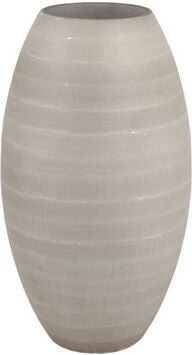
Sagebrook Home Modern Aluminum & Iron Decorative Vase - Sleek Contemporary Metal AccentThis will be a perfect addition to add to your home decor, also a perfect gift for a loved one. Can be added to your table, console or bookcase for a distinctive style to match any decor.233,49 $*Shipping: 0,00 $Secure redirect to the provider
-
Sagebrook Home "Metal Modern Glam Bowl Sleek Curved Design Stylish Sculptural Form - 20.0"""This modern glam metal bowl brings a sculptural touch to any tabletop decoration, this metal bowl comes in gold, ivory and tan providing thoughtful decorative use making it an effortless accent for a living room, kitchen, or dining room table.139,49 $*Shipping: 0,00 $Secure redirect to the provider



-
Why is God also called the flying Galilean in professional circles?
God is sometimes referred to as the flying Galilean in professional circles because of the belief that He transcends physical limitations and is omnipresent. The term "flying" symbolizes His ability to be everywhere at once, moving swiftly and effortlessly. The term "Galilean" is a reference to Jesus Christ, who was from Galilee and is considered a central figure in Christianity. This nickname highlights the divine and miraculous nature attributed to God in various religious and philosophical contexts. **
-
What is the difference between a Galilean and an astronomical telescope?
The main difference between a Galilean and an astronomical telescope is the way they use lenses to magnify distant objects. In a Galilean telescope, there is a concave lens at the front and a convex lens at the eyepiece, while in an astronomical telescope, there are two convex lenses. Additionally, Galilean telescopes have a wider field of view but lower magnification compared to astronomical telescopes, which have a narrower field of view but higher magnification. Lastly, Galilean telescopes are typically used for terrestrial viewing, while astronomical telescopes are designed for viewing celestial objects. **
-
What is the difference between a prism binoculars and a Galilean binoculars?
The main difference between a prism binocular and a Galilean binocular is the optical design. Prism binoculars use prisms to correct the image orientation, resulting in a more compact design and better image quality. On the other hand, Galilean binoculars do not use prisms and have a simpler design, but they may have a narrower field of view and may not provide as sharp images as prism binoculars. Additionally, prism binoculars are typically more expensive than Galilean binoculars due to their more complex optical system. **
-
Does the resolution of a Kepler-Galilean telescope increase with increasing magnification?
No, the resolution of a Kepler-Galilean telescope does not necessarily increase with increasing magnification. While higher magnification can make objects appear larger and closer, it does not necessarily improve the clarity or sharpness of the image. In fact, increasing magnification without a corresponding increase in the quality of the optics can lead to a decrease in resolution due to factors like image distortion and blurriness. It is important to strike a balance between magnification and optical quality to achieve the best resolution in a telescope. **

What is the difference between a prism binocular and a Galilean binocular?
The main difference between a prism binocular and a Galilean binocular is the type of optical system they use. A prism binocular uses a complex system of prisms to correct the image and provide a wider field of view, making them larger and heavier. On the other hand, a Galilean binocular uses a simpler lens system, making them more compact and lightweight. Additionally, prism binoculars generally provide better image quality and brightness, while Galilean binoculars are more affordable and easier to carry. **
How can it be shown that a Galilean transformation forms a group?
A Galilean transformation can be shown to form a group by satisfying the four group axioms: closure, associativity, identity, and inverse. 1. Closure: The composition of two Galilean transformations is also a Galilean transformation, as the equations for the transformations can be combined and still result in a valid transformation. 2. Associativity: The composition of Galilean transformations is associative, meaning that (A*B)*C = A*(B*C) for any three transformations A, B, and C. 3. Identity: The identity transformation, which leaves all coordinates unchanged, is a member of the Galilean transformation group. 4. Inverse: For every Galilean transformation, there exists an inverse transformation that undoes the original transformation, ensuring that every transformation has an inverse within the group. Therefore, a Galilean transformation satisfies all the group axioms and forms a group. **
Top-Angebote
Products related to Galilean:
-
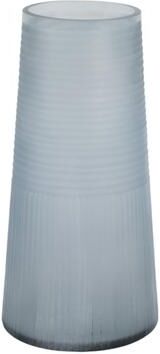
Sagebrook Home Glass Vase Sleek Silhouette Contemporary Style Elegant interiorsBring style and charm to any space with this modern glass vase, a perfect decor accent for your home or office. Crafted from premium glass, this modern vase reflects glam design influences that instantly uplift your environment.71,99 $*Shipping: 0,00 $Secure redirect to the provider
-
Sagebrook Home Modern Aluminum & Iron Decorative Vase - Sleek Contemporary Metal AccentThis will be a perfect addition to add to your home decor, also a perfect gift for a loved one. Can be added to your table, console or bookcase for a distinctive style to match any decor.233,49 $*Shipping: 0,00 $Secure redirect to the provider
-
Sagebrook Home "Metal Modern Glam Bowl Sleek Curved Design Stylish Sculptural Form - 20.0"""This modern glam metal bowl brings a sculptural touch to any tabletop decoration, this metal bowl comes in gold, ivory and tan providing thoughtful decorative use making it an effortless accent for a living room, kitchen, or dining room table.139,49 $*Shipping: 0,00 $Secure redirect to the provider
-
How do you focus a Galilean telescope?
To focus a Galilean telescope, you need to adjust the position of the eyepiece. Start by pointing the telescope at a distant object and then slowly turn the eyepiece in one direction or the other until the image comes into focus. You may need to make small adjustments until the image is clear and sharp. It's important to take your time and be patient when focusing a Galilean telescope to ensure you get the best possible view. **
-
What is an eyepiece on a Kepler and Galilean telescope?
The eyepiece on a Kepler and Galilean telescope is the lens or set of lenses located at the end of the telescope where the observer looks through. It is responsible for magnifying the image formed by the objective lens or mirror at the other end of the telescope. The design and placement of the eyepiece can affect the field of view, magnification, and overall image quality of the telescope. In both types of telescopes, the eyepiece is a crucial component for allowing the observer to see distant objects with greater clarity and detail. **
-
Why is God also called the flying Galilean in professional circles?
God is sometimes referred to as the flying Galilean in professional circles because of the belief that He transcends physical limitations and is omnipresent. The term "flying" symbolizes His ability to be everywhere at once, moving swiftly and effortlessly. The term "Galilean" is a reference to Jesus Christ, who was from Galilee and is considered a central figure in Christianity. This nickname highlights the divine and miraculous nature attributed to God in various religious and philosophical contexts. **
-
What is the difference between a Galilean and an astronomical telescope?
The main difference between a Galilean and an astronomical telescope is the way they use lenses to magnify distant objects. In a Galilean telescope, there is a concave lens at the front and a convex lens at the eyepiece, while in an astronomical telescope, there are two convex lenses. Additionally, Galilean telescopes have a wider field of view but lower magnification compared to astronomical telescopes, which have a narrower field of view but higher magnification. Lastly, Galilean telescopes are typically used for terrestrial viewing, while astronomical telescopes are designed for viewing celestial objects. **
Similar search terms for Galilean
-
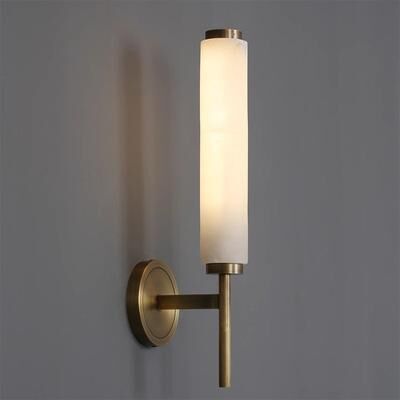
On Spot Shop Luxury Modern Marble Wall Light, Indoor Copper Wall Lamp For Living Room, Elegant Bedroom Sconce, Contemporary Home Luxury Modern Marble Wall Light, Indoor Copper Wall Lamp For Living Room, Elegant Bedroom Sconce, Contemporary HomeElegant Modern Marble Wall Light for Timeless Interiors Transform your space with the Modern Marble Wall Light for Living Room Home Decor Indoor Copper Wall Lamp Creative Bedroom Sconce Wall Lighting Fixture. Designed for those who appreciate both...349,97 $*Shipping: 0,00 $Secure redirect to the provider
-
Uplifted Trends Elegant Mirror Wall Sticker Stylish Entrance & Home Decoration For Modern Spaces Elegant Mirror Wall Sticker Stylish Entrance & Home Decoration For Modern SpacesTransform your space with our Elegant Mirror Wall Sticker. This stylish and easytoapply decoration adds a touch of modern elegance to your entrance, living room, or bedroom. Perfect for those looking to enhance their homes aesthetic without the...49,97 $*Shipping: 0,00 $Secure redirect to the provider
-
What is the difference between a prism binoculars and a Galilean binoculars?
The main difference between a prism binocular and a Galilean binocular is the optical design. Prism binoculars use prisms to correct the image orientation, resulting in a more compact design and better image quality. On the other hand, Galilean binoculars do not use prisms and have a simpler design, but they may have a narrower field of view and may not provide as sharp images as prism binoculars. Additionally, prism binoculars are typically more expensive than Galilean binoculars due to their more complex optical system. **
-
Does the resolution of a Kepler-Galilean telescope increase with increasing magnification?
No, the resolution of a Kepler-Galilean telescope does not necessarily increase with increasing magnification. While higher magnification can make objects appear larger and closer, it does not necessarily improve the clarity or sharpness of the image. In fact, increasing magnification without a corresponding increase in the quality of the optics can lead to a decrease in resolution due to factors like image distortion and blurriness. It is important to strike a balance between magnification and optical quality to achieve the best resolution in a telescope. **
-
What is the difference between a prism binocular and a Galilean binocular?
The main difference between a prism binocular and a Galilean binocular is the type of optical system they use. A prism binocular uses a complex system of prisms to correct the image and provide a wider field of view, making them larger and heavier. On the other hand, a Galilean binocular uses a simpler lens system, making them more compact and lightweight. Additionally, prism binoculars generally provide better image quality and brightness, while Galilean binoculars are more affordable and easier to carry. **
-
How can it be shown that a Galilean transformation forms a group?
A Galilean transformation can be shown to form a group by satisfying the four group axioms: closure, associativity, identity, and inverse. 1. Closure: The composition of two Galilean transformations is also a Galilean transformation, as the equations for the transformations can be combined and still result in a valid transformation. 2. Associativity: The composition of Galilean transformations is associative, meaning that (A*B)*C = A*(B*C) for any three transformations A, B, and C. 3. Identity: The identity transformation, which leaves all coordinates unchanged, is a member of the Galilean transformation group. 4. Inverse: For every Galilean transformation, there exists an inverse transformation that undoes the original transformation, ensuring that every transformation has an inverse within the group. Therefore, a Galilean transformation satisfies all the group axioms and forms a group. **
* All prices are inclusive of VAT and, if applicable, plus shipping costs. The offer information is based on the details provided by the respective shop and is updated through automated processes. Real-time updates do not occur, so deviations can occur in individual cases. ** Note: Parts of this content were created by AI.