Buy atton.eu ?
We are moving the project
atton.eu .
Are you interested in purchasing the domain
atton.eu ?
domain@kv-gmbh.de · 0541-91531010
Buy atton.eu ?
Why dative?
The dative case is used in many languages to indicate the indirect object of a verb, showing to whom or for whom an action is done. It helps clarify the recipient of an action or the person who benefits from it. By using the dative case, speakers can provide more specific information about the relationships between the subject, verb, and object in a sentence. This case is essential for conveying nuances of meaning and ensuring clear communication in various contexts. **
Dative or accusative?
Dative and accusative are two different cases in grammar that indicate the relationship between a verb and its object. The dative case is used to show the indirect object of a verb, while the accusative case is used to show the direct object. To determine whether to use dative or accusative, you need to consider the verb in the sentence and identify whether the object is receiving the action directly (accusative) or indirectly (dative). **

Similar search terms for Dative
Top-Angebote
Products related to Dative:
-
Sagebrook Home "Metal Modern Glam Bowl Sleek Curved Design Stylish Sculptural Form - 20.0"""This modern glam metal bowl brings a sculptural touch to any tabletop decoration, this metal bowl comes in gold, ivory and tan providing thoughtful decorative use making it an effortless accent for a living room, kitchen, or dining room table.119,26 $*Shipping: 0,00 $Secure redirect to the provider
-
Sagebrook Home Modern Aluminum & Iron Decorative Vase - Sleek Contemporary Metal AccentThis will be a perfect addition to add to your home decor, also a perfect gift for a loved one. Can be added to your table, console or bookcase for a distinctive style to match any decor.233,49 $*Shipping: 0,00 $Secure redirect to the provider
-
On Spot Shop Luxury Modern Marble Wall Light, Indoor Copper Wall Lamp For Living Room, Elegant Bedroom Sconce, Contemporary Home Luxury Modern Marble Wall Light, Indoor Copper Wall Lamp For Living Room, Elegant Bedroom Sconce, Contemporary HomeElegant Modern Marble Wall Light for Timeless Interiors Transform your space with the Modern Marble Wall Light for Living Room Home Decor Indoor Copper Wall Lamp Creative Bedroom Sconce Wall Lighting Fixture. Designed for those who appreciate both...349,97 $*Shipping: 0,00 $Secure redirect to the provider



-
Why dative case?
The dative case is used to indicate the indirect object of a sentence, showing to whom or for whom an action is being done. It helps to clarify the relationships between the different elements of a sentence and is essential for conveying the correct meaning. In many languages, including German, Russian, and Latin, the dative case is an important part of the grammar and is used in a wide range of contexts. Overall, the dative case is important for expressing the recipient or beneficiary of an action and is an essential part of understanding and using these languages effectively. **
-
When to use dative?
The dative case is used in German to indicate the indirect object of a sentence, which is the person or thing that receives the direct object. It is also used after certain prepositions, such as "mit" (with), "nach" (after), and "von" (from). Additionally, the dative case is used with certain verbs that require an indirect object, such as "helfen" (to help) or "antworten" (to answer). **
-
Tolerate dative or accusative?
Whether to use the dative or accusative case in German depends on the verb being used and the prepositions that accompany it. Some verbs require the dative case, such as helfen (to help) or danken (to thank), while others require the accusative case, such as sehen (to see) or essen (to eat). It is important to learn which case each verb requires in order to use the correct form in a sentence. **
-
What are dative adjectives?
Dative adjectives are adjectives that are used to describe nouns in the dative case. In many languages, including German and Latin, the dative case is used to indicate the indirect object of a verb or the recipient of an action. Dative adjectives agree in gender, number, and case with the noun they are describing, and they often convey a sense of possession, benefit, or disadvantage. For example, in German, the dative adjective "guten" (good) would be used to describe a masculine singular noun in the dative case, such as "dem Mann" (to the man). **


Dative or Genitive 2?
The choice between dative and genitive case in German depends on the verb or preposition being used. "Dative" is used to indicate the indirect object of a sentence, while "genitive" is used to show possession or a relationship between two nouns. "Genitive 2" specifically refers to the genitive case used after certain prepositions, such as trotz (despite) or während (during). It's important to learn the specific prepositions and verbs that require either dative or genitive case in order to use them correctly in German sentences. **
Is there a difference between the dative case and the dative object?
Yes, there is a difference between the dative case and the dative object. The dative case is a grammatical case that typically indicates the indirect object of a verb or the object of certain prepositions. On the other hand, the dative object refers specifically to the noun or pronoun that is in the dative case in a sentence. In other words, the dative case is a grammatical concept, while the dative object is a specific element within a sentence that is marked by the dative case. **
Top-Angebote
Products related to Dative:
-
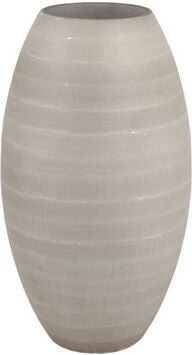
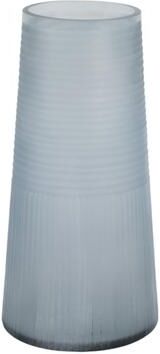
Sagebrook Home Glass Vase Sleek Silhouette Contemporary Style Elegant interiorsBring style and charm to any space with this modern glass vase, a perfect decor accent for your home or office. Crafted from premium glass, this modern vase reflects glam design influences that instantly uplift your environment.71,99 $*Shipping: 0,00 $Secure redirect to the provider
-
Sagebrook Home "Metal Modern Glam Bowl Sleek Curved Design Stylish Sculptural Form - 20.0"""This modern glam metal bowl brings a sculptural touch to any tabletop decoration, this metal bowl comes in gold, ivory and tan providing thoughtful decorative use making it an effortless accent for a living room, kitchen, or dining room table.119,26 $*Shipping: 0,00 $Secure redirect to the provider
-
Sagebrook Home Modern Aluminum & Iron Decorative Vase - Sleek Contemporary Metal AccentThis will be a perfect addition to add to your home decor, also a perfect gift for a loved one. Can be added to your table, console or bookcase for a distinctive style to match any decor.233,49 $*Shipping: 0,00 $Secure redirect to the provider
-
Why dative?
The dative case is used in many languages to indicate the indirect object of a verb, showing to whom or for whom an action is done. It helps clarify the recipient of an action or the person who benefits from it. By using the dative case, speakers can provide more specific information about the relationships between the subject, verb, and object in a sentence. This case is essential for conveying nuances of meaning and ensuring clear communication in various contexts. **
-
Dative or accusative?
Dative and accusative are two different cases in grammar that indicate the relationship between a verb and its object. The dative case is used to show the indirect object of a verb, while the accusative case is used to show the direct object. To determine whether to use dative or accusative, you need to consider the verb in the sentence and identify whether the object is receiving the action directly (accusative) or indirectly (dative). **
-
Why dative case?
The dative case is used to indicate the indirect object of a sentence, showing to whom or for whom an action is being done. It helps to clarify the relationships between the different elements of a sentence and is essential for conveying the correct meaning. In many languages, including German, Russian, and Latin, the dative case is an important part of the grammar and is used in a wide range of contexts. Overall, the dative case is important for expressing the recipient or beneficiary of an action and is an essential part of understanding and using these languages effectively. **
-
When to use dative?
The dative case is used in German to indicate the indirect object of a sentence, which is the person or thing that receives the direct object. It is also used after certain prepositions, such as "mit" (with), "nach" (after), and "von" (from). Additionally, the dative case is used with certain verbs that require an indirect object, such as "helfen" (to help) or "antworten" (to answer). **
Similar search terms for Dative
-
On Spot Shop Luxury Modern Marble Wall Light, Indoor Copper Wall Lamp For Living Room, Elegant Bedroom Sconce, Contemporary Home Luxury Modern Marble Wall Light, Indoor Copper Wall Lamp For Living Room, Elegant Bedroom Sconce, Contemporary HomeElegant Modern Marble Wall Light for Timeless Interiors Transform your space with the Modern Marble Wall Light for Living Room Home Decor Indoor Copper Wall Lamp Creative Bedroom Sconce Wall Lighting Fixture. Designed for those who appreciate both...349,97 $*Shipping: 0,00 $Secure redirect to the provider
-
Uplifted Trends Elegant Mirror Wall Sticker Stylish Entrance & Home Decoration For Modern Spaces Elegant Mirror Wall Sticker Stylish Entrance & Home Decoration For Modern SpacesTransform your space with our Elegant Mirror Wall Sticker. This stylish and easytoapply decoration adds a touch of modern elegance to your entrance, living room, or bedroom. Perfect for those looking to enhance their homes aesthetic without the...49,97 $*Shipping: 0,00 $Secure redirect to the provider
-
Tolerate dative or accusative?
Whether to use the dative or accusative case in German depends on the verb being used and the prepositions that accompany it. Some verbs require the dative case, such as helfen (to help) or danken (to thank), while others require the accusative case, such as sehen (to see) or essen (to eat). It is important to learn which case each verb requires in order to use the correct form in a sentence. **
-
What are dative adjectives?
Dative adjectives are adjectives that are used to describe nouns in the dative case. In many languages, including German and Latin, the dative case is used to indicate the indirect object of a verb or the recipient of an action. Dative adjectives agree in gender, number, and case with the noun they are describing, and they often convey a sense of possession, benefit, or disadvantage. For example, in German, the dative adjective "guten" (good) would be used to describe a masculine singular noun in the dative case, such as "dem Mann" (to the man). **
-
Dative or Genitive 2?
The choice between dative and genitive case in German depends on the verb or preposition being used. "Dative" is used to indicate the indirect object of a sentence, while "genitive" is used to show possession or a relationship between two nouns. "Genitive 2" specifically refers to the genitive case used after certain prepositions, such as trotz (despite) or während (during). It's important to learn the specific prepositions and verbs that require either dative or genitive case in order to use them correctly in German sentences. **
-
Is there a difference between the dative case and the dative object?
Yes, there is a difference between the dative case and the dative object. The dative case is a grammatical case that typically indicates the indirect object of a verb or the object of certain prepositions. On the other hand, the dative object refers specifically to the noun or pronoun that is in the dative case in a sentence. In other words, the dative case is a grammatical concept, while the dative object is a specific element within a sentence that is marked by the dative case. **
* All prices are inclusive of VAT and, if applicable, plus shipping costs. The offer information is based on the details provided by the respective shop and is updated through automated processes. Real-time updates do not occur, so deviations can occur in individual cases. ** Note: Parts of this content were created by AI.