Buy atton.eu ?
We are moving the project
atton.eu .
Are you interested in purchasing the domain
atton.eu ?
domain@kv-gmbh.de · 0541-91531010
Buy atton.eu ?
Is causality time-dependent?
Causality is not inherently time-dependent. Causality refers to the relationship between cause and effect, and it can occur at any point in time. Events in the past can cause effects in the present, and events in the present can cause effects in the future. The concept of causality is not limited to a specific point in time, as it can occur across different time frames. Therefore, causality is not inherently time-dependent. **
What is circular causality?
Circular causality refers to a situation where the cause and effect of a phenomenon are interconnected and influence each other in a continuous loop. In other words, instead of a linear cause-and-effect relationship, where one event leads to another in a straight line, circular causality involves a feedback loop where each event influences the other in a continuous cycle. This concept is often used in systems theory to describe complex interactions within a system, where multiple factors interact with each other in a non-linear and interconnected manner. **

Similar search terms for Causality
Top-Angebote
Products related to Causality:
-
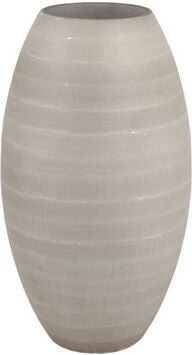
Sagebrook Home Modern Aluminum & Iron Decorative Vase - Sleek Contemporary Metal AccentThis will be a perfect addition to add to your home decor, also a perfect gift for a loved one. Can be added to your table, console or bookcase for a distinctive style to match any decor.221,99 $*Shipping: 0,00 $Secure redirect to the provider
-
Sagebrook Home "Metal Modern Glam Bowl Sleek Curved Design Stylish Sculptural Form - 20.0"""This modern glam metal bowl brings a sculptural touch to any tabletop decoration, this metal bowl comes in gold, ivory and tan providing thoughtful decorative use making it an effortless accent for a living room, kitchen, or dining room table.119,26 $*Shipping: 0,00 $Secure redirect to the provider
-
On Spot Shop Luxury Modern Marble Wall Light, Indoor Copper Wall Lamp For Living Room, Elegant Bedroom Sconce, Contemporary Home Luxury Modern Marble Wall Light, Indoor Copper Wall Lamp For Living Room, Elegant Bedroom Sconce, Contemporary HomeElegant Modern Marble Wall Light for Timeless Interiors Transform your space with the Modern Marble Wall Light for Living Room Home Decor Indoor Copper Wall Lamp Creative Bedroom Sconce Wall Lighting Fixture. Designed for those who appreciate both...349,97 $*Shipping: 0,00 $Secure redirect to the provider




-
What is the causality of existence?
The causality of existence refers to the idea that everything that exists has a cause or reason for its existence. This concept suggests that nothing can come into being without a cause or explanation. It implies that there is a chain of events or actions that lead to the existence of everything in the universe. Understanding the causality of existence helps us make sense of the world around us and provides a framework for exploring the interconnectedness of all things. **
-
What is causality according to Kant?
According to Kant, causality is a fundamental concept that governs our understanding of the world. He argues that causality is not something that we directly observe in the world, but rather a necessary concept that our minds impose on our experience in order to make sense of it. Kant believes that we cannot know things as they are in themselves, but only as they appear to us through the framework of our mental categories, including causality. Therefore, causality is a necessary condition for our experience of the world, but it is not something that we can directly perceive. **
-
What is the principle of causality?
The principle of causality is the idea that every event is caused by a preceding event or set of events. It suggests that there is a cause and effect relationship between events, where one event leads to the occurrence of another. This principle is fundamental in understanding the natural world and forms the basis of scientific inquiry and reasoning. It implies that events do not happen randomly but are the result of specific causes. **
-
How can one prove that causality exists?
Causality can be proven through empirical evidence and logical reasoning. By observing the relationship between two events and consistently finding that one event leads to the other, we can establish a causal link. Additionally, conducting controlled experiments and statistical analyses can help demonstrate causality by showing that changes in one variable directly result in changes in another. Furthermore, the use of counterfactuals and the application of causal models can help establish causality by ruling out alternative explanations for the observed relationship between events. **

Is the belief in causality a religion?
No, the belief in causality is not a religion. Causality is a fundamental principle in science and philosophy that states that every event is caused by a preceding event. It is based on empirical evidence and logical reasoning, rather than faith or worship. While causality may be a concept that is discussed within religious contexts, it is not inherently a religious belief in and of itself. **
What is the difference between correlation and causality?
Correlation refers to a relationship between two variables where they tend to change together, but it does not imply that one variable causes the other to change. Causality, on the other hand, implies a cause-and-effect relationship between two variables, where changes in one variable directly result in changes in the other. While correlation can indicate a potential relationship between variables, causality requires further evidence to establish a direct link between them. In essence, correlation does not imply causation. **
Top-Angebote
Products related to Causality:
-
Sagebrook Home Glass Vase Sleek Silhouette Contemporary Style Elegant interiorsBring style and charm to any space with this modern glass vase, a perfect decor accent for your home or office. Crafted from premium glass, this modern vase reflects glam design influences that instantly uplift your environment.68,49 $*Shipping: 0,00 $Secure redirect to the provider
-
Sagebrook Home Modern Aluminum & Iron Decorative Vase - Sleek Contemporary Metal AccentThis will be a perfect addition to add to your home decor, also a perfect gift for a loved one. Can be added to your table, console or bookcase for a distinctive style to match any decor.221,99 $*Shipping: 0,00 $Secure redirect to the provider
-
Sagebrook Home "Metal Modern Glam Bowl Sleek Curved Design Stylish Sculptural Form - 20.0"""This modern glam metal bowl brings a sculptural touch to any tabletop decoration, this metal bowl comes in gold, ivory and tan providing thoughtful decorative use making it an effortless accent for a living room, kitchen, or dining room table.119,26 $*Shipping: 0,00 $Secure redirect to the provider
-
Is causality time-dependent?
Causality is not inherently time-dependent. Causality refers to the relationship between cause and effect, and it can occur at any point in time. Events in the past can cause effects in the present, and events in the present can cause effects in the future. The concept of causality is not limited to a specific point in time, as it can occur across different time frames. Therefore, causality is not inherently time-dependent. **
-
What is circular causality?
Circular causality refers to a situation where the cause and effect of a phenomenon are interconnected and influence each other in a continuous loop. In other words, instead of a linear cause-and-effect relationship, where one event leads to another in a straight line, circular causality involves a feedback loop where each event influences the other in a continuous cycle. This concept is often used in systems theory to describe complex interactions within a system, where multiple factors interact with each other in a non-linear and interconnected manner. **
-
What is the causality of existence?
The causality of existence refers to the idea that everything that exists has a cause or reason for its existence. This concept suggests that nothing can come into being without a cause or explanation. It implies that there is a chain of events or actions that lead to the existence of everything in the universe. Understanding the causality of existence helps us make sense of the world around us and provides a framework for exploring the interconnectedness of all things. **
-
What is causality according to Kant?
According to Kant, causality is a fundamental concept that governs our understanding of the world. He argues that causality is not something that we directly observe in the world, but rather a necessary concept that our minds impose on our experience in order to make sense of it. Kant believes that we cannot know things as they are in themselves, but only as they appear to us through the framework of our mental categories, including causality. Therefore, causality is a necessary condition for our experience of the world, but it is not something that we can directly perceive. **
Similar search terms for Causality
-
On Spot Shop Luxury Modern Marble Wall Light, Indoor Copper Wall Lamp For Living Room, Elegant Bedroom Sconce, Contemporary Home Luxury Modern Marble Wall Light, Indoor Copper Wall Lamp For Living Room, Elegant Bedroom Sconce, Contemporary HomeElegant Modern Marble Wall Light for Timeless Interiors Transform your space with the Modern Marble Wall Light for Living Room Home Decor Indoor Copper Wall Lamp Creative Bedroom Sconce Wall Lighting Fixture. Designed for those who appreciate both...349,97 $*Shipping: 0,00 $Secure redirect to the provider
-
Uplifted Trends Elegant Mirror Wall Sticker Stylish Entrance & Home Decoration For Modern Spaces Elegant Mirror Wall Sticker Stylish Entrance & Home Decoration For Modern SpacesTransform your space with our Elegant Mirror Wall Sticker. This stylish and easytoapply decoration adds a touch of modern elegance to your entrance, living room, or bedroom. Perfect for those looking to enhance their homes aesthetic without the...49,97 $*Shipping: 0,00 $Secure redirect to the provider
-
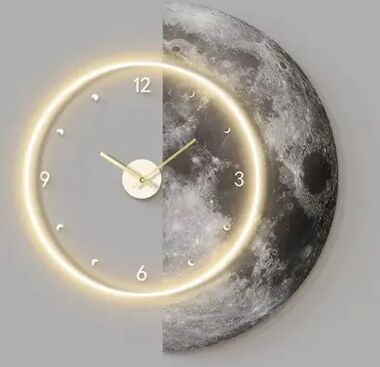
Daily Deals Depot Aesthetic LED Luxury Modern Wall Clocks, Elegant Stylish Clock For Bedrooms, Living Room Decor Accessories style 2Transform Your Walls with Style and Functionality Enhance your homes atmosphere with our Luxury Modern Wall Clocks LED a seamless blend of aesthetic elegance and stylish clock decor that complements any interior. Whether you're revamping a bedroom,...199,97 $*Shipping: 0,00 $Secure redirect to the provider
-
What is the principle of causality?
The principle of causality is the idea that every event is caused by a preceding event or set of events. It suggests that there is a cause and effect relationship between events, where one event leads to the occurrence of another. This principle is fundamental in understanding the natural world and forms the basis of scientific inquiry and reasoning. It implies that events do not happen randomly but are the result of specific causes. **
-
How can one prove that causality exists?
Causality can be proven through empirical evidence and logical reasoning. By observing the relationship between two events and consistently finding that one event leads to the other, we can establish a causal link. Additionally, conducting controlled experiments and statistical analyses can help demonstrate causality by showing that changes in one variable directly result in changes in another. Furthermore, the use of counterfactuals and the application of causal models can help establish causality by ruling out alternative explanations for the observed relationship between events. **
-
Is the belief in causality a religion?
No, the belief in causality is not a religion. Causality is a fundamental principle in science and philosophy that states that every event is caused by a preceding event. It is based on empirical evidence and logical reasoning, rather than faith or worship. While causality may be a concept that is discussed within religious contexts, it is not inherently a religious belief in and of itself. **
-
What is the difference between correlation and causality?
Correlation refers to a relationship between two variables where they tend to change together, but it does not imply that one variable causes the other to change. Causality, on the other hand, implies a cause-and-effect relationship between two variables, where changes in one variable directly result in changes in the other. While correlation can indicate a potential relationship between variables, causality requires further evidence to establish a direct link between them. In essence, correlation does not imply causation. **
* All prices are inclusive of VAT and, if applicable, plus shipping costs. The offer information is based on the details provided by the respective shop and is updated through automated processes. Real-time updates do not occur, so deviations can occur in individual cases. ** Note: Parts of this content were created by AI.